A father's perspective
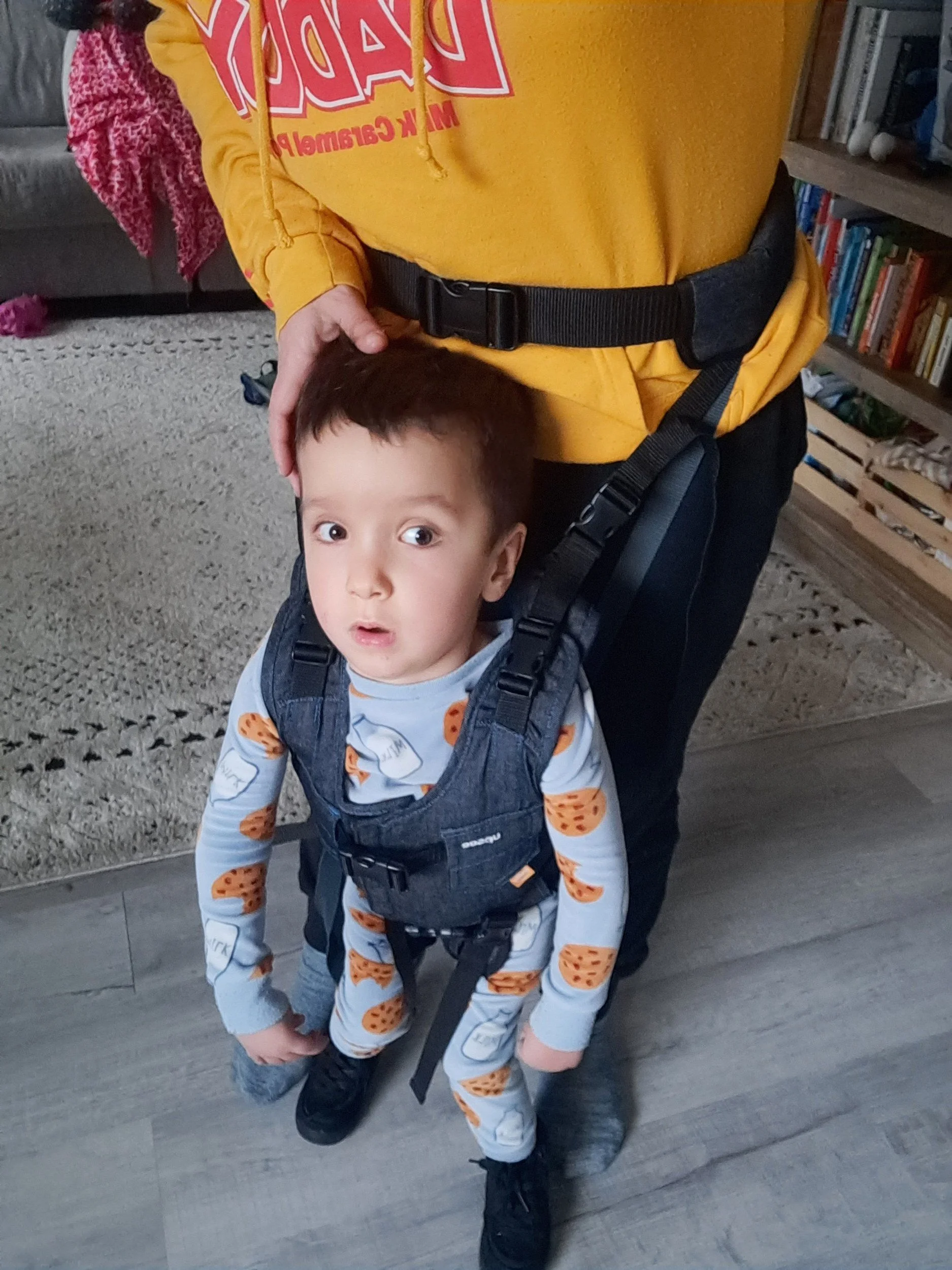
I am a father of a child with Canavan disease. Some days the hardest part is watching your child grow — seeing his smile, his personality, the little ways he reaches for us — while knowing there still isn't an approved treatment that can stop this disease.
So we hold onto two things at once: the reality of today, and real hope for tomorrow. This page shares where research stands, and the everyday care that helps Silas live his fullest life.
This page is not medical advice. Please talk with your child's care team about any treatment decisions.
Where research stands
There is no approved cure or disease-modifying treatment for Canavan disease yet. Care today focuses on comfort, nutrition, seizure management, and therapies that support each child's abilities.
Gene therapy. Canavan is caused by changes in the ASPA gene. Researchers are testing gene therapies that deliver a working copy of ASPA to the brain using a harmless virus (called AAV) as the carrier. Early clinical trials in children are under way:
One trial delivers the gene directly to the brain cells that make myelin (ClinicalTrials.gov NCT04833907). Early results published in 2025 were encouraging, but the studies are still small and ongoing.
Another trial delivers the gene through the bloodstream (ClinicalTrials.gov NCT04998396).
CRISPR and gene editing. Gene editing for Canavan is still in the laboratory stage. Scientists are studying it using cells grown in the lab, and it has not yet been tested in people.
Every trial that moves forward is because of families who said yes to research. That gives us hope.
Everyday care that makes a difference
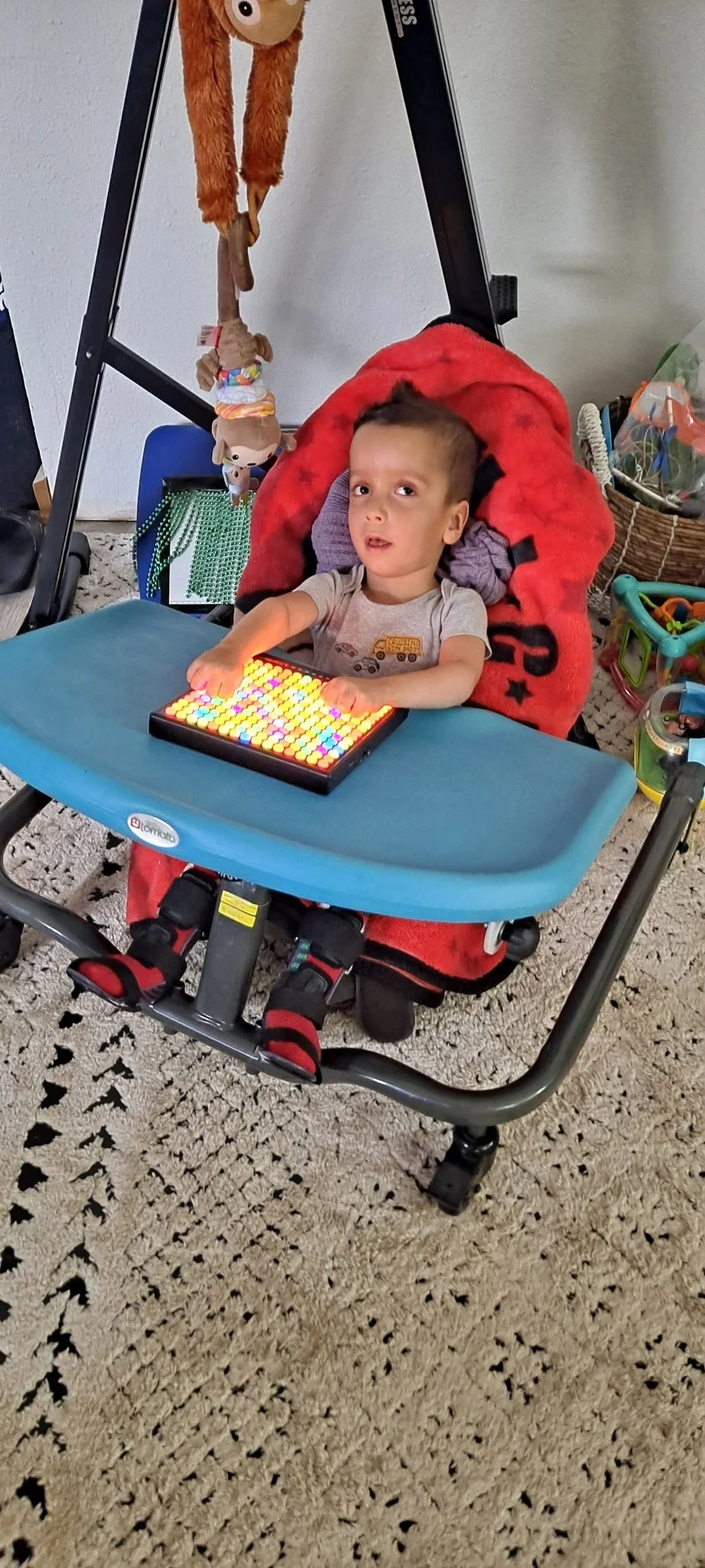
Physical therapy. PT helps with comfort, positioning, muscle tone, and keeping the body as strong and flexible as possible. For Silas, it's also time for connection and play.
Vision therapy and vision supports. Many children with Canavan have vision challenges. Vision therapy, high-contrast toys, good lighting, and patient, close-up interaction can help children engage with the world and the people who love them.
Connection. Some of the best support doesn't come from a clinic. It comes from other families who understand. Visit our Connect page to share your child's smile and find yours.
Trusted resources
MedlinePlus Genetics: Canavan disease — https://medlineplus.gov/genetics/condition/canavan-disease/
NORD (National Organization for Rare Disorders) — https://rarediseases.org/rare-diseases/canavan-disease/
ClinicalTrials.gov (search "Canavan") — https://clinicaltrials.gov/search?cond=Canavan
NTSAD (https://www.ntsad.org) · Canavan Foundation (https://www.canavanfoundation.org) · United Leukodystrophy Foundation (https://ulf.org)
The Silas Project shares information to help families learn and connect. It is not medical advice.